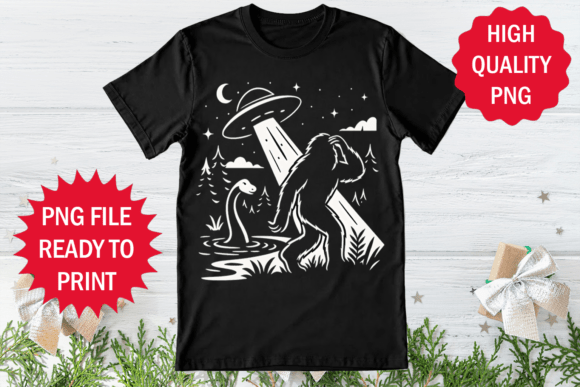
Alien Ship and Dinosaur Finding Bigfoot: A Retro-Pop Design Phenomenon
There is a specific kind of design that refuses to be ignored. It blends nostalgia with absurdity, humor with a kind of strange, childlike wonder. This is the space inhabited by the "Alien Ship and Dinosaur Finding Bigfoot" concept. It’s not just a random collection of words; it’s a visual narrative, a collision of pop-culture icons that creates an immediate, engaging story on any surface it touches. For designers, marketers, and entrepreneurs, this kind of conceptual artwork is more than a novelty—it's a powerful tool for connection.
At its core, this design philosophy takes three enduringly popular themes—extraterrestrial mystery, prehistoric power, and elusive folklore—and weaves them into a single, cohesive graphic. Visually, it often manifests as a colorful, graphic t-shirt design or poster, featuring a stylized, perhaps slightly retro, spaceship casting a beam over a lush, primordial landscape. In the foreground or mid-ground, a dinosaur (often a friendly-looking T-Rex or a towering Brontosaurus) might be peering curiously at the scene, while a subtle, hidden Bigfoot figure observes from the treeline. The style leans into a bold, illustrative quality with strong lines, a vibrant and sometimes unexpected color palette, and a playful, almost cartoonish personality. It’s a design that doesn’t take itself too seriously, which is precisely its strength.
Where This Concept Truly Shines: Applications Beyond the Tee
While the "Alien Ship and Dinosaur Finding Bigfoot" design is a natural fit for apparel, its real value lies in its incredible versatility. Think of it less as a single image and more as a brand-ready asset package. Its inherent storytelling makes it perfect for applications where engagement is key.
- Apparel & Streetwear: This is home territory. It’s a statement piece for graphic tees, hoodies, and caps that appeals to a broad demographic—from sci-fi fans and paleontology enthusiasts to those who simply love unique, conversation-starting apparel. The design’s boldness translates perfectly to streetwear style, offering a unique illustration art piece that stands out in a crowd.
- Home & Lifestyle Decor: Imagine this graphic as a large-format wall art print in a game room, a child’s bedroom, or a creative studio. It injects personality and a sense of fun. On a mug, it becomes a daily dose of whimsy. As a sticker or poster, it can brand an event, decorate a space, or serve as merchandise.
- Digital & Branding Use: For bloggers, content creators, and podcasters in the niche of pop culture, gaming, or humor, this design is a goldmine. It can become a memorable logo, channel art, or social media graphic. The story it tells aligns perfectly with content that explores the strange, the historic, and the mythical, helping to build a distinct and recognizable brand identity.
The key is to view it as a versatile design asset. A single, well-executed concept like this can be adapted across a product line—from a premium hoodie to a set of stickers—creating a cohesive collection with a built-in narrative.
The Psychology of Play: How Whimsy Builds Connection
In a world saturated with minimalist logos and corporate sans-serif fonts, a design that embraces playful chaos can be a strategic differentiator. The "Alien Ship and Dinosaur Finding Bigfoot" aesthetic influences perception in several tangible ways:
- Memorability & Recognition: The brain remembers stories and unexpected combinations far better than abstract shapes. This design creates a strong mental hook, making your brand or product instantly more recognizable.
- Approachability & Trust: Humor and whimsy are disarming. A brand that uses this kind of design signals that it doesn’t take itself too seriously, which can build a more approachable and trustworthy relationship with an audience. It feels human.
- Niche Community Appeal: It acts as a filter, attracting a specific tribe of people who "get it." This is invaluable for building a dedicated community around a product or service. It’s not for everyone, and that’s its power.
From a technical design perspective, this style often pairs best with supporting elements that don’t compete. If you’re using it as a primary graphic, accompanying text might use a clean, complementary sans-serif or a straightforward serif font to ensure readability. The goal is to let the main illustration be the hero, using typography to support, not overshadow.
A Practical Guide for Creators and Entrepreneurs
If you’re considering incorporating this design style into your projects, a strategic approach will maximize its impact. Here’s how to think about it from a professional standpoint.
Evaluate the Source and Licensing: Whether you’re commissioning a custom design or purchasing a pre-made graphic, clarity on licensing is non-negotiable. For commercial use—selling on t-shirts, mugs, or using in client work—you need explicit rights. Look for assets sold as "commercial use" or "print on demand" ready. High-resolution PNG or vector files (SVG, AI, EPS) are essential for scaling across products without quality loss.
Consider the Full Package: A strong design offering often includes more than one file. Look for packages that provide the main illustration, perhaps a simplified version for small applications (like a cap or sticker), and maybe even complementary typography or pattern elements. This gives you flexibility in application.
Test for Your Medium: A design that looks great on a digital mockup might need tweaking for screen printing or embroidery. Before committing to a large production run, test the design on your chosen medium. Check color separations for print, ensure fine lines will reproduce clearly, and consider how the design’s complexity will translate to a small product like a mug handle or a sticker.
Pair with Purpose: If you’re using this as part of a larger brand identity, think about the supporting cast. What other design assets (textures, secondary illustrations, color palettes) can you develop that complement this core concept? Consistency across all touchpoints—from your website to your packaging design—reinforces the story you’re telling.
Ultimately, the "Alien Ship and Dinosaur Finding Bigfoot" concept is a masterclass in creative font and graphic synergy. It uses the principles of modern typography and illustration not for theoretical purity, but for practical, emotional engagement. It’s a tool for entrepreneurs to build brands with personality, for designers to create work that resonates, and for anyone to produce products that people don’t just buy, but genuinely love and talk about. In the crowded marketplace of digital downloads and print-on-demand, a story worth telling is your most valuable asset.